
Mortgage broker vs. bank: what's the difference?
How mortgage brokers work in Canada, how they differ from going straight to your bank, and how to choose a good broker.
Key takeaways
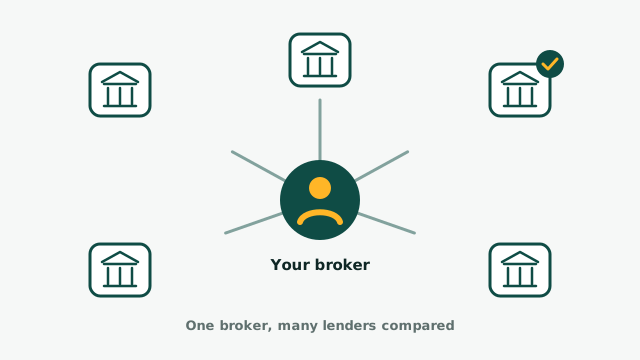
- Your bank can only offer its own mortgages. A broker can compare many lenders.
- In most cases, the lender pays the broker, so it's free for you.
- Brokers are licensed and regulated by each province.
Going to your bank
When you get a mortgage from your bank, you deal with one lender and its own products. If you already bank there, it can feel simple. But you only see one set of options, and it's up to you to negotiate or shop around.
Using a mortgage broker
A mortgage broker works with many lenders: big banks, credit unions and lenders that only work through brokers. They compare options, recommend what fits, and handle the application for you.
How brokers are paid
In most cases, the lender pays the broker when your mortgage closes, so their help is free for you. In rare cases, like private lending or very complex files, a broker may charge a fee, and they must tell you in writing before you agree to anything.
When a broker helps most
- You want to compare offers without calling every bank yourself
- You're renewing and want leverage with your current lender
- You're self-employed, new to Canada, or have unusual income
- Your credit has some bumps
How to choose a good broker
- Check they're licensed in your province.
- Ask how many lenders they work with.
- Ask how they're paid on your file.
- Make sure they explain things clearly and don't rush you.
A broker isn't always cheaper than your bank, but comparing gives you the information to decide. Even if you stay with your bank, a competing offer can help you negotiate.
This guide is general information, not financial advice. Rules and products change, and every situation is different. A licensed mortgage broker can tell you what applies to you.