
Mortgage pre-approval vs. pre-qualification
What a mortgage pre-approval is, how it differs from pre-qualification, what documents you need, and how long a pre-approval lasts.
Key takeaways
- Pre-qualification is a quick estimate. Pre-approval is a lender reviewing your actual details.
- A pre-approval often holds a rate for about 90 to 120 days.
- It isn't a final approval: the lender still checks the property and your file before closing.
Pre-qualification: a quick estimate
A pre-qualification is a rough idea of what you could borrow, based on what you tell a lender or broker about your income, debts and savings. It's fast and useful early on, but it isn't a promise of anything.
Pre-approval: a lender looks at your file
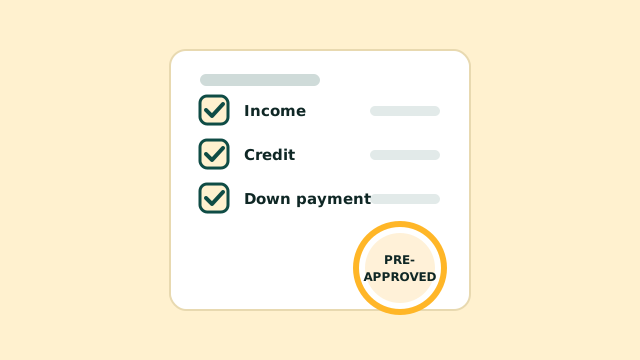
A pre-approval goes further. The lender reviews your documents and credit report, then tells you how much they're likely to lend and at what rate. Many pre-approvals include a rate hold, often for about 90 to 120 days, which protects you if rates rise while you shop.
Documents you'll usually need
- Government-issued photo ID
- Proof of income: recent pay stubs and an employment letter, or tax documents if you're self-employed
- Proof of your down payment, usually recent bank or investment statements
- Details of your debts, like car loans, student loans and credit cards
Does it affect my credit?
A pre-approval usually involves a credit check, which can lower your score slightly for a short time. Shopping for a mortgage within a short window generally has a small impact. Your broker should always ask your permission first.
What a pre-approval isn't
A pre-approval isn't a final mortgage approval. Before closing, the lender will still confirm your details haven't changed and that the property meets its rules, sometimes with an appraisal. Avoid big new debts or job changes until you close.
When to get one
Get pre-approved before you start seriously viewing homes. You'll know your budget, you can make offers with confidence, and you'll be ready to move quickly on the right place.
This guide is general information, not financial advice. Rules and products change, and every situation is different. A licensed mortgage broker can tell you what applies to you.