
Mortgage amortization: 25 vs. 30 years
What amortization means, how a longer amortization changes your payment and total interest, and who can get a 30-year mortgage in Canada.
Key takeaways
- Amortization is the total time it takes to pay off your mortgage.
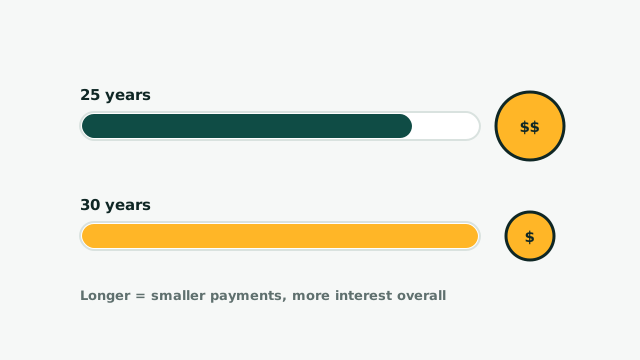
- A longer amortization lowers your payment but costs more interest overall.
- Insured mortgages are generally capped at 25 years, with 30-year options for first-time buyers and new builds.
Amortization vs. term
Your amortization is how long it would take to pay off the whole mortgage, often 25 years. Your term is the length of your current contract and rate, often 5 years. You'll usually go through several terms before the mortgage is paid off.
The trade-off
A longer amortization spreads your balance over more payments, so each payment is smaller. But you pay interest for longer, so the total cost goes up.
| Example: $500,000 at 5% | Monthly payment | Total interest |
|---|---|---|
| 25 years | About $2,900 | About $372,000 |
| 30 years | About $2,670 | About $461,000 |
This example assumes the same rate for the whole amortization, which won't happen in real life, but it shows the trade-off clearly.
Who can get 30 years?
- With 20% or more down: many lenders offer up to 30 years.
- With less than 20% down (insured): generally up to 25 years, but first-time buyers and buyers of newly built homes may qualify for 30.
Rules on amortization for insured mortgages have changed in recent years. Your broker can confirm what applies to you.
The best of both
Some people choose a longer amortization for a lower required payment, then use prepayment privileges to pay extra when they can. You keep flexibility in tight months and still save interest. Read about prepayment privileges.
This guide is general information, not financial advice. Rules and products change, and every situation is different. A licensed mortgage broker can tell you what applies to you.